
Because a wardrobe full of clothes should never make you feel stuck. A guide for shopping better for your closet, so you don’t feel overwhelmed by not having the key pieces that you will wear, and strategize on how to be in sync with your lifestyle.
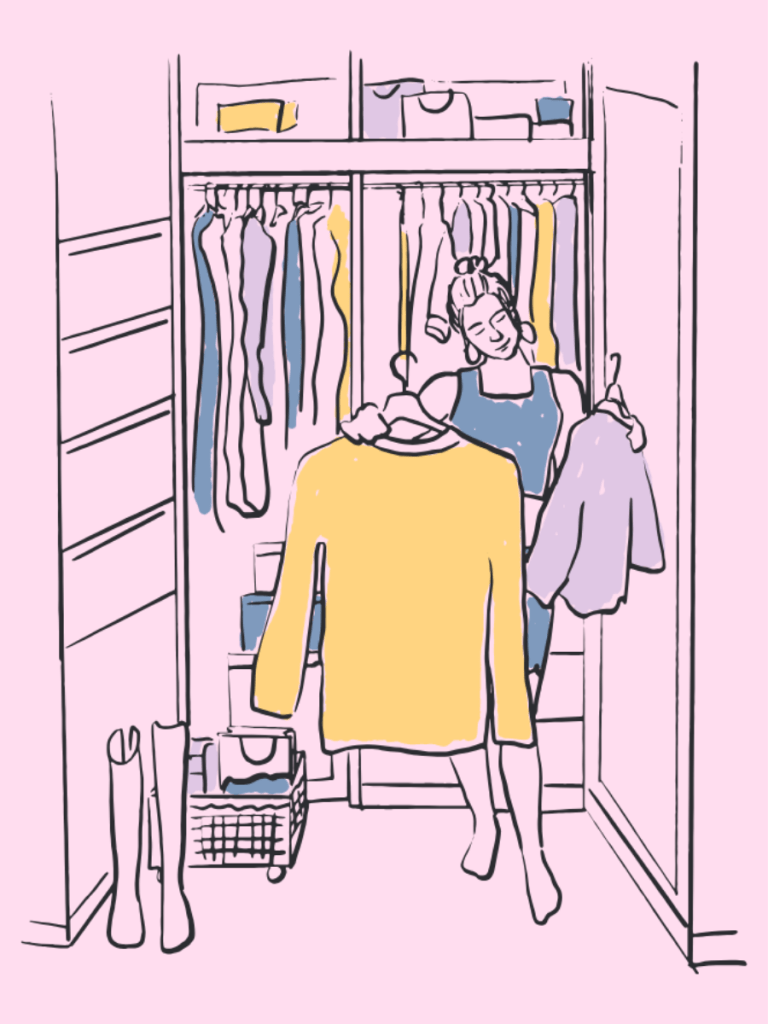
It’s Friday night. You’ve been invited out for drinks with your friends. After you shower, put on your makeup, and do your hair, you head to your closet to find an outfit, and you feel overwhelmed by how full it is, yet you feel you have nothing good to wear tonight. After standing in your closet, going through everything, you realize you’re running late and start pulling pieces together that you’re not confident about.
Sound familiar? That frustrating cycle isn’t about bad clothes or poor taste; it’s about strategy. You’ve built a closet filled with finds that don’t align with how you realistically live. What you’re missing isn’t style, it’s a plan.
When you shop, something catches your eye, it fits well in the store, it’s on sale, you love the color, or you’re online shopping at two a.m., and it seems like a good buy at that moment. All are reasonable reasons to buy something. But none of these reasons answers the one question you need to ask yourself: Where in my life does this fit?
If you can’t answer that clearly at checkout, the item will just sit in your closet. Then, six months later, you’ll find something similar and do the same thing again. That’s how your closet starts to overflow with pieces that aren’t working for your lifestyle.
This guide is here to change that. You will walk away understanding what your wardrobe is missing, why you keep buying things you never reach for, and how to shop in a way that will give you confidence every time you get dressed.
You Have Clothes, But You Don’t Have Outfits.
This is the heart of the problem. Having pieces you love doesn’t automatically translate into being able to get dressed effortlessly. When you buy without thinking about how things work together, your closet becomes a collection of random pieces; nothing connects, so nothing gets worn.
The next time something catches your attention, ask yourself: What do I already own that works with this? If you can’t instantly name two or three outfit ideas, put it back or keep scrolling. A piece that doesn’t create outfits won’t get worn, no matter how good it looks on the rack or in a website photo.
Retail displays and online photos are styled to make every single piece look extraordinary; that’s their job. Yours is to think about your real wardrobe, not the curated fantasy on in-store displays, online stores, or social media.
When you’re shopping at Zara, Macy’s, or Target, those brands are very good at making individual pieces look incredible on their own. The lighting is perfect, the styling is intentional, and it looks believable; it can go with anything.
Dress for the Life You Are Living
Think back to the moments when you have felt lost getting dressed. Whether it was a work meeting, dinner out, a family event, date night, or even running errands when you want to look casual but put together, those occasions hold the answer. The pieces you scramble for in real life are the ones your wardrobe actually needs.
Many closets lean heavily in one direction; too casual or too dressy, too work-oriented or too weekend ready; leaving gaps that cause the dreaded I have nothing to wear!” feeling.
The strategy you want to have is to create a list of your lifestyle categories:
- Work
- Errands
- Social events
- Date night
- Travel
- Fitness
- Formal occasions
You can create this list in a spreadsheet, in Notion, or put it in your notes on your phone. Then, be honest with yourself; how many solid, go-to options do you have in each category? The empty spaces are your true shopping list. Go into your closet and take an inventory of what you have that fills the empty spaces on your list. Everything else is clutter.
You Don’t Need More. You Need Balance
While you’re shopping, it doesn’t feel like a problem, until you realize you own six blue tops and four nearly identical pairs of jeans. Retailers like Gap, Old Navy, and others are masters at tweaking beloved basics just enough to tempt you into buying again. But eight versions of one item don’t create eight new outfits. They make one outfit eight times over.
Use this simple rule: no more than two or three of each item type. Two high-quality white tees, not six. Three genuinely different denim silhouettes, not ten that are the same. When you hit that number, that’s when something has to go before something new comes in. That mindset shift will bring you instant wardrobe clarity.
Shopping for what your closet is missing is intentional. A blazer that works for both polished and casual occasions, a midi skirt in a neutral, and shoes that can carry you through an evening out. Filter pieces out based on your list. Anything that doesn’t fit your list doesn’t come home with you.
This doesn’t mean shopping can’t be fun or that it feels restrictive. It means the things you buy are actually being worn. That is a better return on investment than buying on impulse and letting it sit untouched in your closet for a year.
How to Reset Without Starting Over
You don’t need to clear everything out and start from scratch. You just need a closet edit and a clear direction and plan. When you have a good amount of time for yourself, pull everything out and group your pieces by category: tops, bottoms, dresses, outerwear, shoes, and occasion wear. For each piece, ask yourself two questions. Do I ever wear this? Not, do I love how it looks, but do I actually wear this? Anything that fails both questions is a candidate for donation or sale.
The pieces you’re left with are your real wardrobe. Now you can clearly see where the gaps are and shop specifically to fill them. Next time you go shopping, you’ll have a list, not a mood. You’re shopping with purpose, not impulse. That’s the difference between. a packed closet and a functional wardrobe.
The Staples Most Closets Are Missing
So you have decided you need to start rebuilding your wardrobe. The pieces that consistently are “missing staples” are:
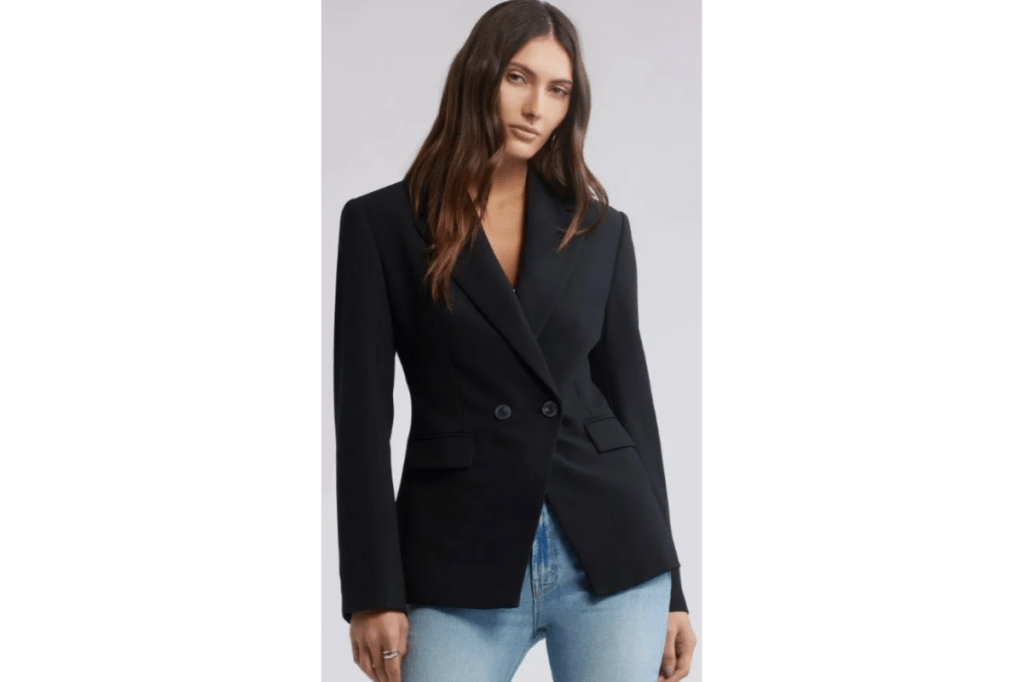
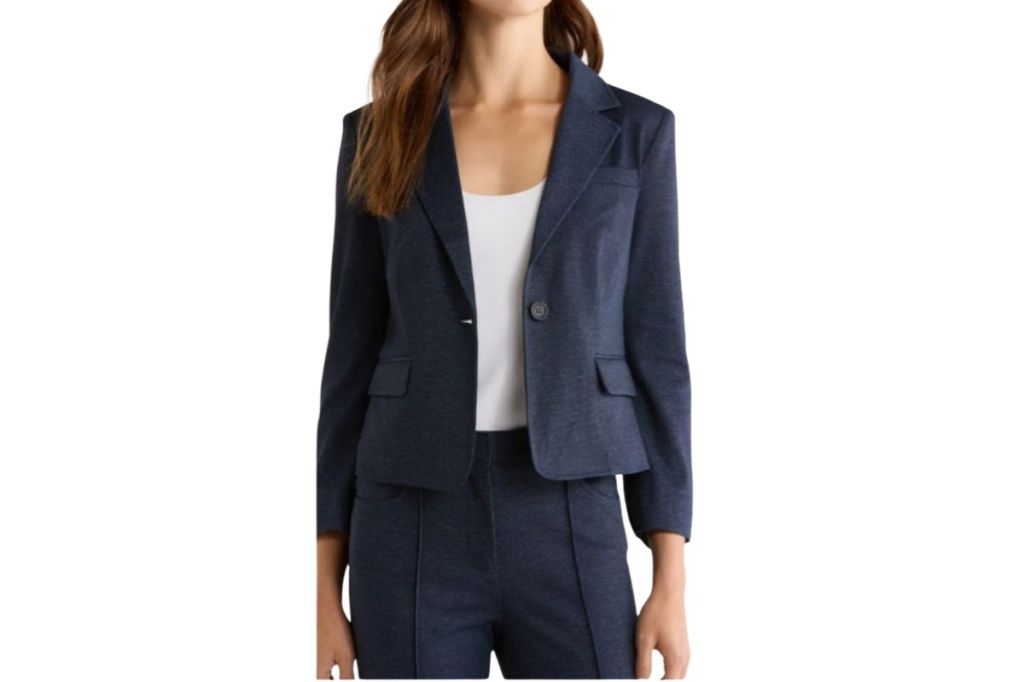
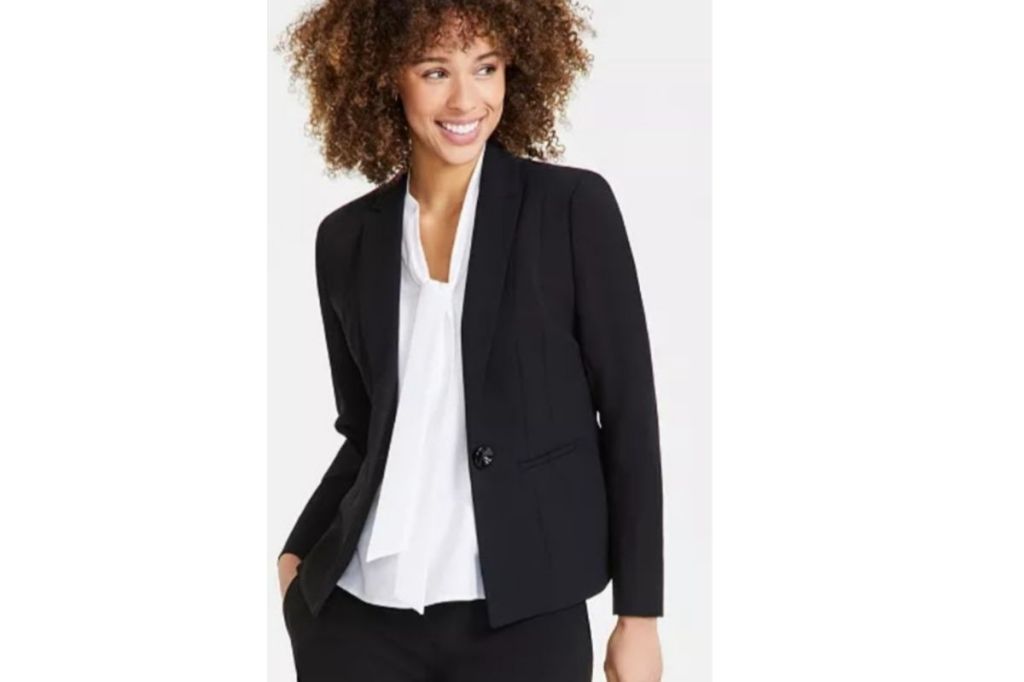
A Transition Blazer
Polished, but relaxed enough to work with denim on weekends or tailored pants for meetings.
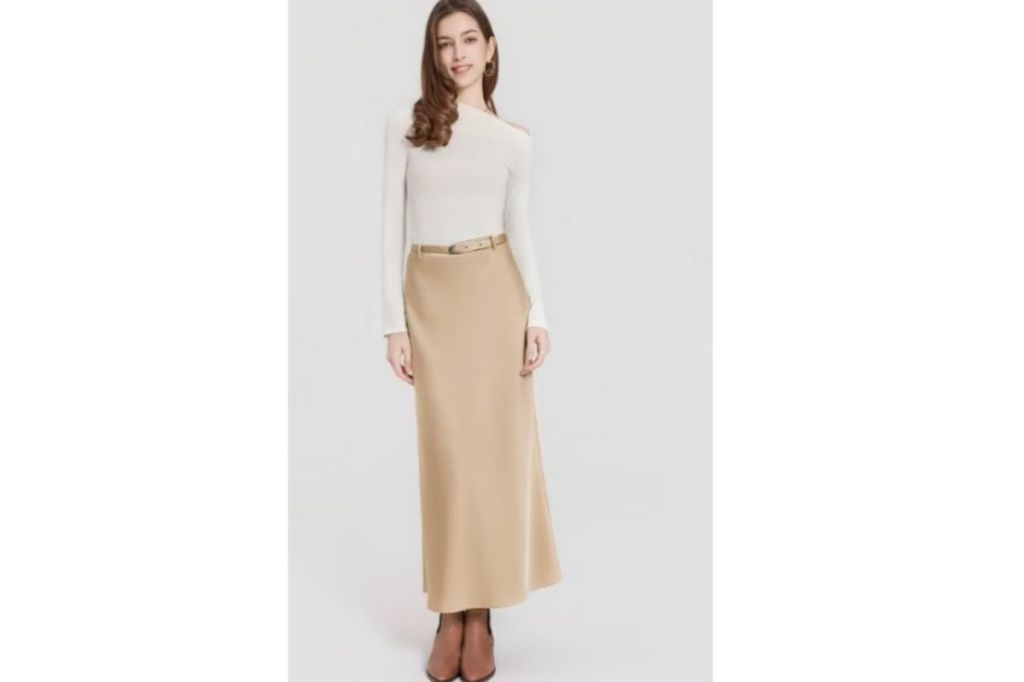
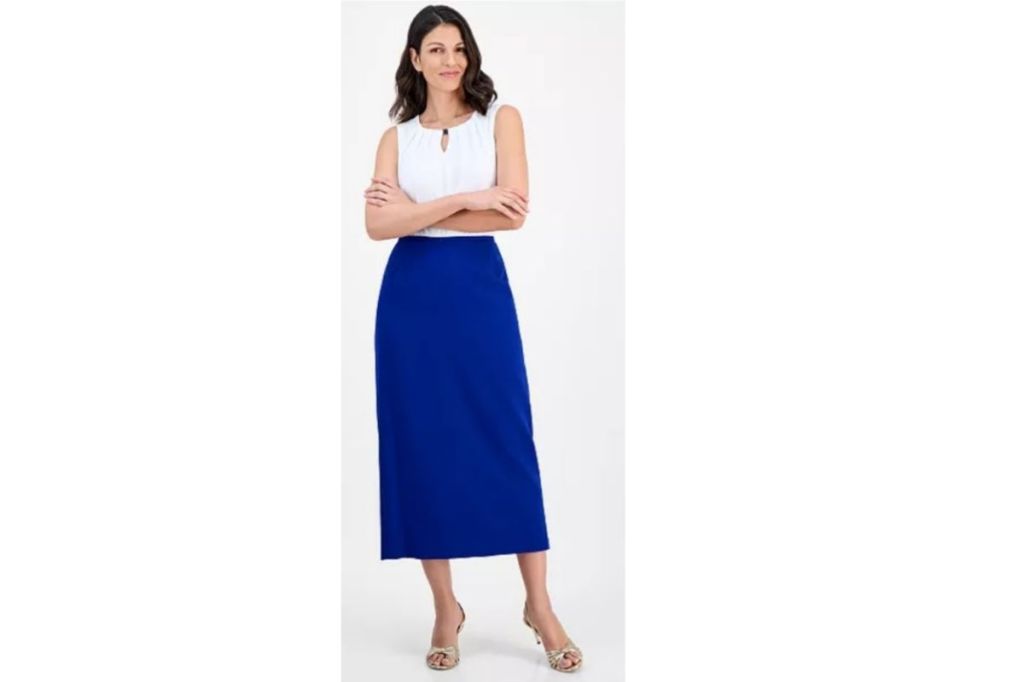
A Neutral Midi or Maxi Skirt
Endlessly versatile and can be worn casually with sneakers, yet refined with heels.
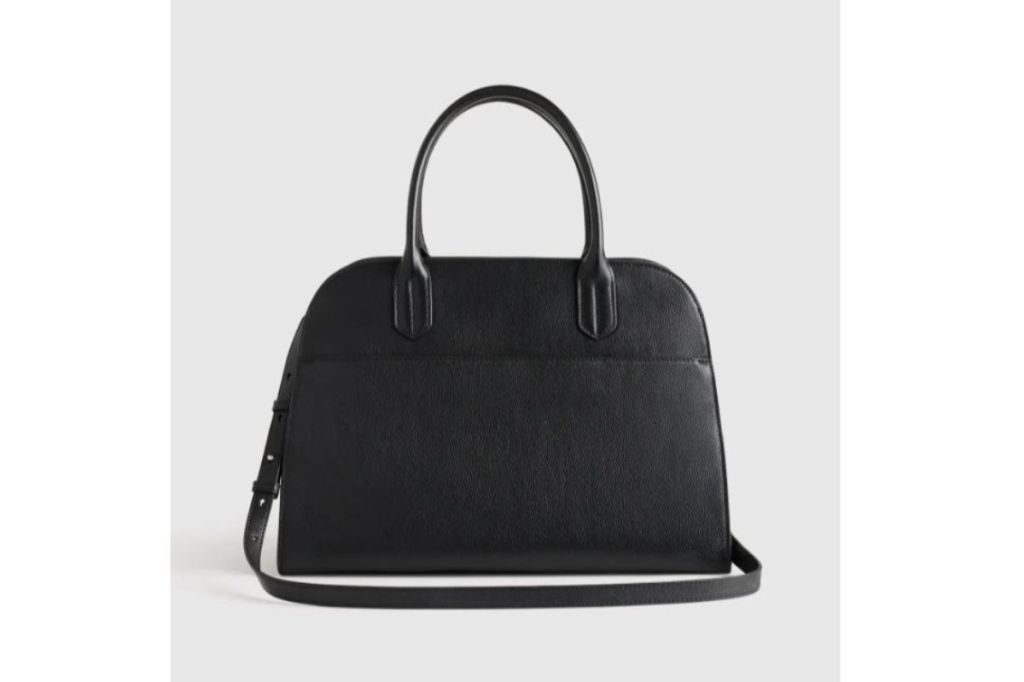
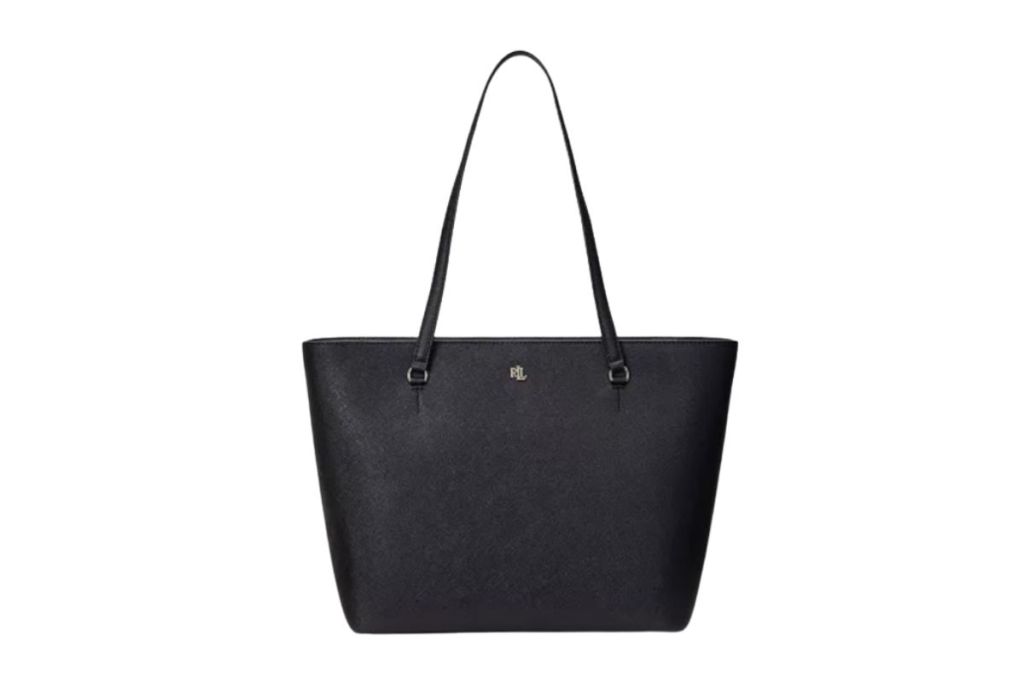
A Polished Bag
Structured, not bulky. A piece that finishes your outfit instead of competing with it.
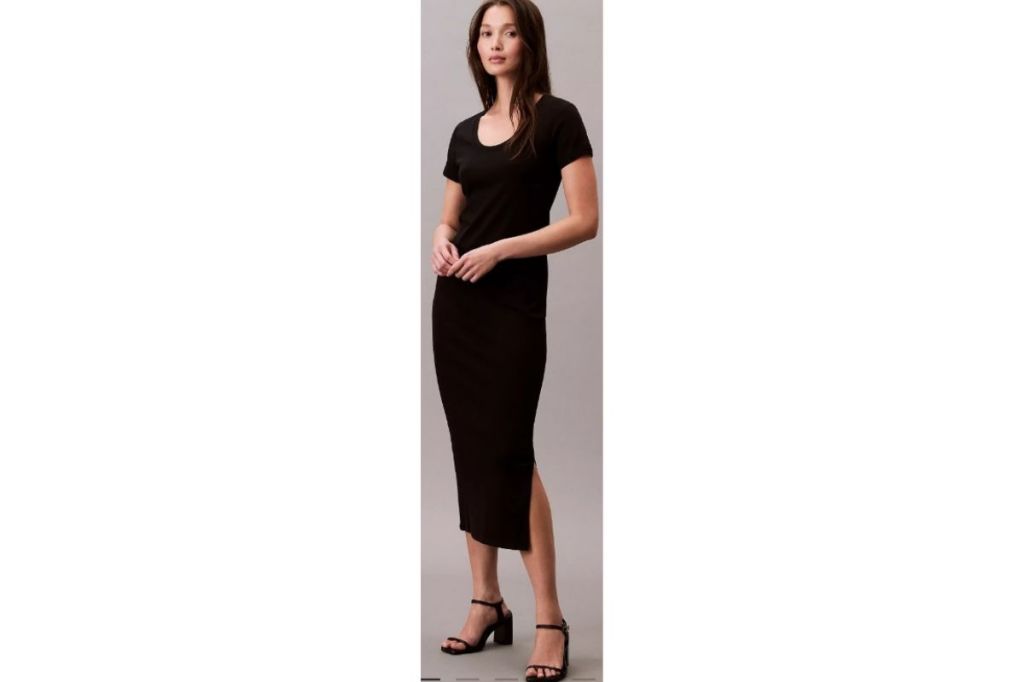
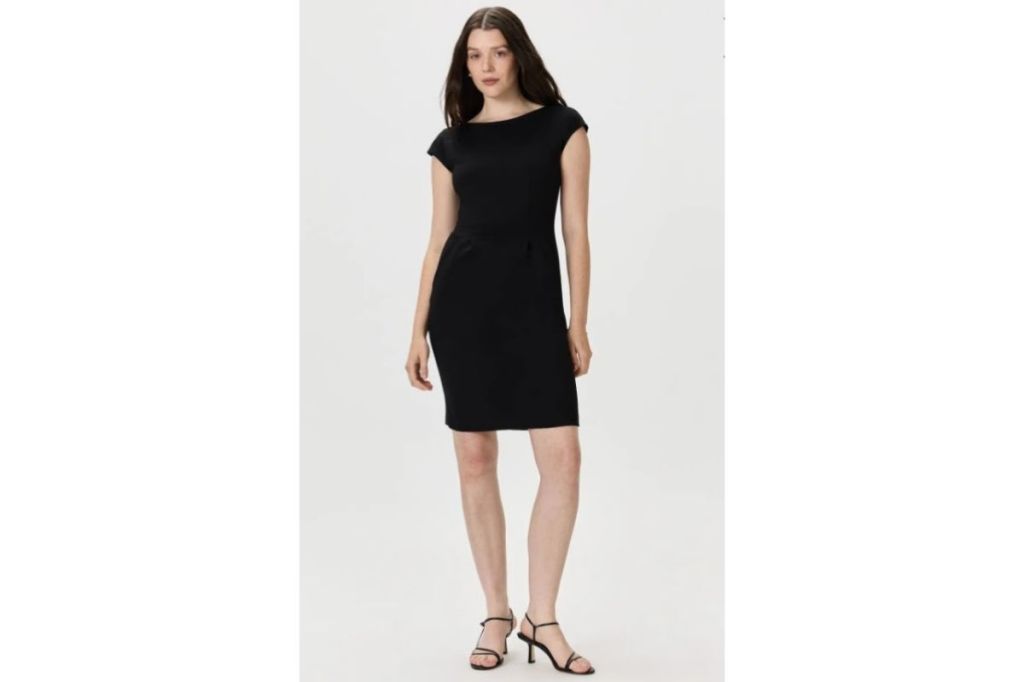
A Multi-Occasion Black Dress
A long-sleeved, sleeveless, or short-sleeved black dress. Layer it with a scarf or jewelry, change shoes, and go from brunch to dinner seamlessly.
Final Advice
Having a wardrobe dilemma isn’t about your personal style; it’s simply a mismatch between what you own and the life you live. Once you close that gap, your closet becomes functional, confident, and personal. No more staring at your closet and feeling overwhelmed, frantically going through your pieces, and feeling stuck.
If you follow this method, you’ll have clothes and multiple outfits you can create with the pieces you use and wear consistently, which will make getting dressed feel more exciting, and, most importantly, you’ll feel more confident because you’ll know your wardrobe is working for you.
 Digest of a Shopper